Feeling sluggish, noticing slower recovery, or struggling to maintain lean muscle as you age? It might not just be “getting older”—it could be a natural decline in human growth hormone (HGH). While HGH is often associated with athletes or anti-aging clinics, every woman’s body produces it—and it plays a quiet but critical role in metabolism, skin elasticity, mood, and cellular repair.
The best part? You don’t need injections or supplements to support healthy HGH levels. Using lifestyle, sleep, and movement, you can naturally encourage your body’s own production.
Using the trusted 5Ws framework, we’ll break down what HGH is, why it matters for women, and the 3 most effective, science-backed ways to boost it—safely and sustainably.
Because aging well starts with honoring your biology.
HGH Isn’t Just for “Growth”—It’s for Lifelong Repair
Human growth hormone (HGH), produced by your pituitary gland, doesn’t just build height in teens—it repairs tissues, burns fat, builds lean muscle, and supports brain health throughout your life.
But HGH levels drop significantly after age 30—and even more during perimenopause—contributing to:
- Increased belly fat
- Thinner skin and slower wound healing
- Lower energy and exercise recovery
- Poor sleep quality
The good news? Your daily habits powerfully influence HGH release. No prescriptions needed.
Ready to activate your body’s natural renewal system? Let’s explore the 5Ws.
What HGH Is and Its Importance for Women
Human Growth Hormone (HGH) is a natural hormone produced by the pituitary gland. While many people associate it with growth during childhood, HGH continues to play a crucial role throughout a woman’s life. It helps regulate metabolism, supports lean muscle development, maintains healthy bones, and even enhances skin elasticity and energy levels.
As women get older—especially after their mid-20s—HGH levels start to decline. This gradual drop can contribute to common issues like stubborn weight gain, fatigue, slower recovery after workouts, thinning hair, and visible signs of aging. Low HGH levels may also affect sleep quality and mood, making it harder to feel like your vibrant, energetic self.
Optimizing HGH naturally isn’t just about looking youthful; it’s about supporting longevity, strength, confidence, and overall wellness. When your HGH levels are balanced, your body becomes more efficient at burning fat, building muscle, and restoring itself—helping you stay strong, energized, and radiant at every age.
Who Benefits from Natural HGH Support?
While HGH declines with age, certain women see faster drops—and greater benefits from support:
- Women over 35, especially entering perimenopause
- Those with high stress, poor sleep, or sedentary routines
- Women noticing loss of muscle tone, dry skin, or stubborn weight gain
- Anyone recovering from illness, injury, or burnout
- Fitness enthusiasts seeking better recovery and strength
Bold Tip: You don’t need to “test” HGH—it’s not routinely measured. Focus on symptoms + lifestyle optimization instead.
“HGH is your body’s nightly repair crew. If you’re not sleeping deeply or moving regularly, that crew never shows up.”
— Dr. Elena Morris, Integrative Endocrinologist
When Does HGH Release—and When Should You Optimize It?
Your body releases HGH in pulses, primarily:
- During deep sleep (11 p.m.–2 a.m.)—up to 70% of daily HGH is released here
- After intense exercise (especially high-intensity or resistance training)
- During fasting or low-insulin states (like overnight or between meals)
Key windows to support HGH:
- Nightly: Prioritize 7–8 hours of uninterrupted sleep
- Post-workout: Allow 48 hours between intense sessions for recovery
- Evening: Avoid sugar or large meals within 2–3 hours of bed (insulin blocks HGH)
Avoid: Late-night snacking, blue light before bed, or chronic stress—all suppress HGH.
Where and How These Methods Fit in Everyday Life
- Bedroom & Night Routine: Establish a calming, consistent bedtime ritual — dim lights, no screens, maybe a warm shower or meditation to signal body it’s time to wind down.
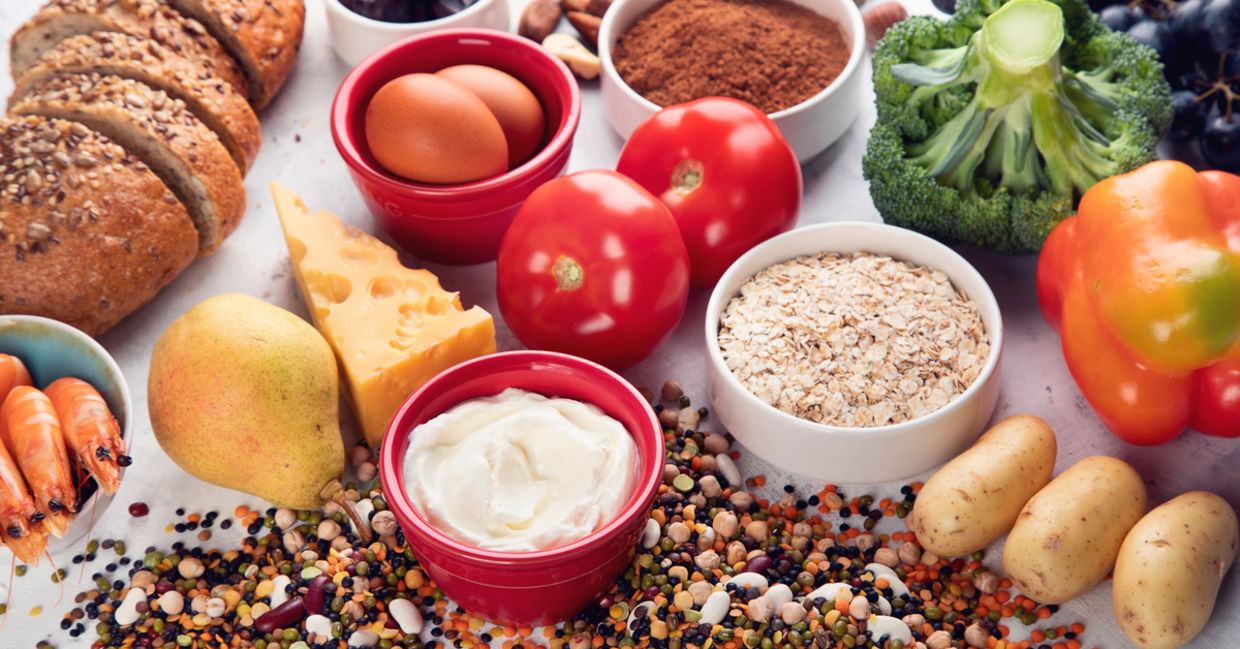
- Kitchen & Meal Planning: Stock wholesome proteins (eggs, lean meats, legumes, dairy/plant proteins), whole grains, healthy fats; avoid sugary snacks and processed foods; plan meal timings with fasting windows if you follow them.
Gym / Home Workout Space: Use HIIT or strength training — whether in gym, outdoor running, body-weight at-home workouts — choose what fits your lifestyle. - Daily Routine / Lifestyle: Maintain consistent sleep and meal schedule, manage stress, avoid overtraining, and allow recovery.
Why These Natural Methods Matter for Overall Health
- Hormone balance & metabolism: Healthy HGH supports lean muscle mass, healthy fat metabolism, better energy, and recovery.
- Long-term vitality & aging: Consistent HGH production supports healthier skin, muscle maintenance, bone density, and overall youthfulness.
- Sustainable & safe: These are lifestyle habits — not drugs or risky interventions — making them accessible, safe, and maintainable long-term.
- Holistic health: Good sleep, proper nutrition, and exercise also improve mood, sleep quality, cardiovascular health, and overall well-being — benefits beyond just HGH.
- Natural body regulation: The body is designed to produce HGH — our job is to create the environment (sleep, diet, movement) where it can do its job properly.
Supporting your body’s natural rhythm — through sleep, food, movement — is often the best way to keep your hormones, health, and vitality in check.”
Conclusion
Boosting human growth hormone naturally doesn’t require supplements or extreme measures — just consistent, balanced habits. Prioritizing deep sleep, eating right (with proper protein, low sugar, and smart meal timing), and engaging in high-intensity workouts can significantly support your body’s HGH production. Over time, this can help improve energy, body composition, recovery, and overall health and vitality.
If you’re ready, start small. Small steps can lead to lasting, positive change.