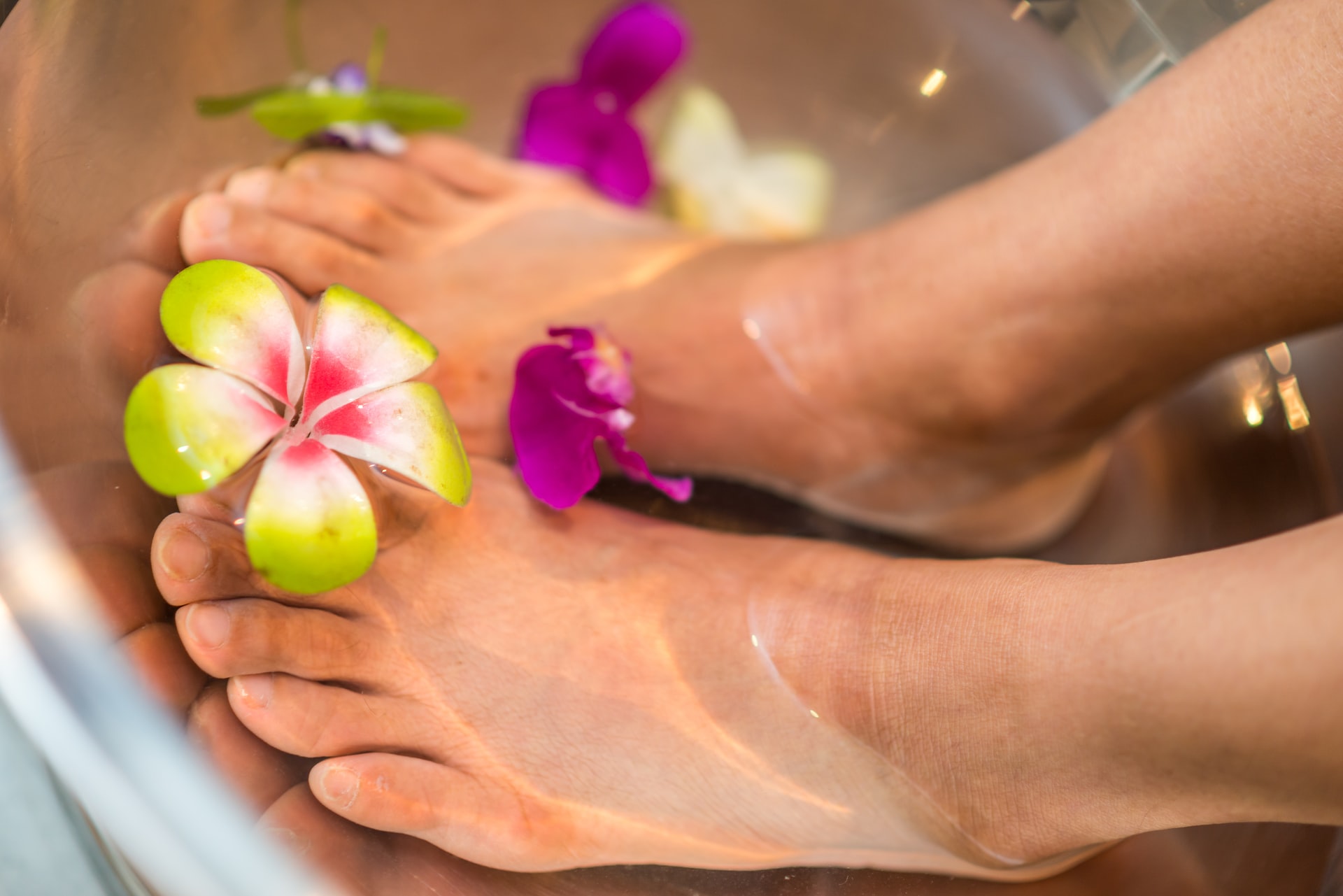
Dreaming of baby-soft feet without salon prices? Foot peels—those at-home treatments that dissolve dead skin over days—have taken social media by storm. But with viral “reveal” videos come real risks: burns, infections, and over-exfoliation, especially for women with sensitive or hormonally dry skin.
The truth? Not all foot peels are created equal—and for many women, gentler alternatives work better long-term.
Using the trusted 5Ws framework, we’ll help you decide: Is a foot peel right for you? And if so, how to use one safely, effectively, and in harmony with your skin’s needs.
Because soft feet shouldn’t cost you your skin barrier.
Soft Feet Shouldn’t Mean Stripped Skin
Your feet carry you through life—but rarely get the care they deserve. Hormonal shifts (like perimenopause or postpartum), closed-toe shoes, and dry climates can leave soles thick, cracked, or painfully rough.
While foot peels promise dramatic results, they rely on high-concentration alpha hydroxy acids (AHAs) like glycolic or lactic acid—powerful exfoliants that can help… or harm.
The key? Know your skin, respect your biology, and choose wisely.
Ready to walk with confidence—barefoot or in sandals? Let’s explore the 5Ws.
Who Should (and Shouldn’t) Use a Foot Peel?
Foot peels can be safe for healthy, non-sensitive feet—but they’re not for everyone:
Good candidates:
- Women with thick calluses or dry heels (no cracks or open skin)
- Those with normal to oily foot skin
- People without diabetes, poor circulation, or autoimmune skin conditions
Avoid foot peels if you:
- Have diabetes or neuropathy (even minor wounds can become serious)
- Suffer from eczema, psoriasis, or cracked heels
- Are pregnant or breastfeeding (some AHAs are not recommended)
- Have very thin or sensitive skin (common after 50 due to collagen loss)
Bold Tip: If you’re unsure, do a patch test on your ankle first—or opt for a gentle physical scrub instead.
“Foot peels strip multiple layers of skin at once. For hormonally thinning skin, this can cause micro-tears and long-term barrier damage.”
— Dr. Lena Choi, Podiatrist & Integrative Dermatologist
Now that we know who it’s for… what are foot peels—and how do they work?
What Are Foot Peels—and What Are the Best Foot Peel Skin Treatments?
Most foot peels are plastic booties lined with a liquid solution containing:
- Glycolic acid (10–15%) – strong, fast-acting
- Lactic acid – gentler, hydrating
- Alcohol, fragrance, or preservatives – potential irritants
Here are the top 5 highly recommended options women love:
1. Baby Foot Exfoliation Peel
- Fruit acids melt away hardened skin
- Dramatic peeling within 5–7 days
- Smooth results last for weeks
2. Dr. Scholl’s Ultra Exfoliating Foot Peel Mask
- Dermatologist-trusted brand
- Targets deep cracks and tough calluses
3. Grace & Stella Lavender Foot Mask
- Spa-like scent and gentle formula
- Ideal for those new to peels
4. Soft Touch Foot Peel Mask
- Botanical ingredients: aloe vera, tea tree, etc.
- Great hydrating benefits
5. Kerasal Intensive Repair Foot Peel
- Fast-acting treatment for severely dry feet
- Helps improve appearance in a few days
After 60–90 minutes of soaking, dead skin begins peeling off over 5–10 days, revealing smoother soles underneath.
But beware: “Natural” doesn’t mean safe. Even fruit-based acids can cause chemical burns if left too long or used on compromised skin.
Bold Tip: Look for formulas with added soothing ingredients like aloe, allantoin, or chamomile—and avoid anything with >10% glycolic acid.
For a gentler alternative, try our Gentle Foot Renewal Soak—with colloidal oatmeal and sea salt to soften without stripping.
Now… When is the right time to use one?
When to Use (or Skip) a Foot Peel
Timing and skin condition matter more than you think:
Best time to use:
- Early spring or summer (when feet are exposed more)
- After a pedicure or callus file (on intact skin only)
- During low-stress, low-activity weeks (peeling skin is fragile!)
Never use:
- Right before a trip, hike, or new shoes (friction = blisters)
- If you have cuts, cracks, or athlete’s foot
- During hormonal transitions (perimenopause, postpartum) when skin is thinner
Bold Tip: Wait at least 2 weeks between treatments—and never use more than 2–3 times per year.
Where can you find safe options—and what are your alternatives?
Where to Find & Use Foot Peels Safely
You’ll find them online or in beauty aisles—but choose wisely:
- Trusted brands: Baby Foot (original formula), Earth Therapeutics, or Sephora’s clean picks
- Avoid: Unknown Amazon brands with no ingredient transparency
- At home: Always follow timing instructions—never exceed 90 minutes
- Aftercare: Moisturize daily with urea (10%) or shea butter during peeling
- Alternatives:
- Pumice stone + warm soak (1x/week)
- Lactic acid lotion (5–10%) applied nightly
- Professional callus treatment at a medical pedicure clinic
Bold Tip: Never pull or peel the skin—it should shed naturally. Forcing it causes scarring.
Need a complete routine? Our Soft Soles Kit includes a gentle exfoliating soak, urea balm, and breathable socks—designed for sensitive, hormonally dry feet.
But why go beyond aesthetics?
Why Safe Foot Care Supports Women’s Overall Health
Healthy feet aren’t just about sandals—they’re foundational to mobility, balance, and independence as you age:
- Prevents falls (cracked heels = unstable gait)
- Reduces infection risk (especially important for women with PCOS or thyroid issues)
- Supports circulation—key during perimenopause and beyond
- Honors your body—from head to toe
- Encourages daily self-care, even in small ways
“Women over 50 who practiced gentle foot care weekly had 40% fewer foot-related mobility issues over 5 years.”
— Journal of Women’s Aging, 2024
Bold Tip: Your feet reflect your overall health. Dry, cracked heels can signal nutrient deficiencies (like zinc or omega-3s) or thyroid imbalance.
Conclusion:
With the right foot peel treatment, caring for your feet becomes effortless—and results are beautifully visible. Whether you struggle with dryness, cracks, or stubborn calluses, these top five peels offer an affordable and effective path to smoother, healthier feet.
Give your feet the love they deserve—so every step feels soft, confident, and pain-free.