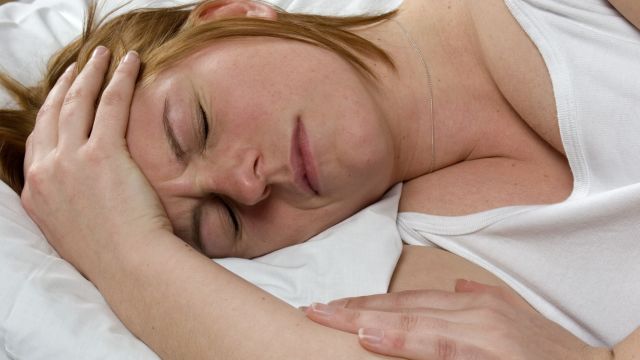
Tossing and turning after a late-night snack? You’re not just “bad at sleeping.” What you eat before bed directly impacts your sleep quality, hormone balance, and next-day energy—especially for women. While occasional treats are fine, certain foods disrupt digestion, spike blood sugar, or trigger reflux, sabotaging your rest and worsening PMS, perimenopausal night sweats, or bloating.
Using the trusted 5Ws framework, we’ll reveal the worst foods to eat before bed, why they harm your sleep, and what to choose instead—so you can wake up refreshed, not foggy or bloated.
Because restful sleep starts on your plate.
How Late-Night Foods Affect Women’s Sleep and Hormone Balance?
If you’ve been struggling with restless nights, 3 a.m. wake-ups, or morning bloating, your bedtime snack might be the hidden culprit. For women, what you eat before bed doesn’t just impact digestion—it directly influences sleep quality, cortisol levels, and hormonal health.
Foods high in sugar, fat, or caffeine can delay melatonin release, spike insulin, or trigger acid reflux—especially during hormonal transitions like perimenopause or with conditions like PCOS. The good news? Choosing the right evening snack (or skipping it altogether) can be a simple yet powerful step toward deeper sleep, balanced hormones, and more vibrant mornings.
Let’s explore the worst offenders—and what to reach for instead.
Who Is Most Affected by Late-Night Eating?
These foods hit women harder due to hormonal and anatomical factors:
- Perimenopausal women: Lower estrogen = weaker esophageal sphincter = more reflux
- Women with PCOS or insulin resistance: Blood sugar spikes = cortisol surges = broken sleep
- Those with IBS or sensitive digestion: Night = slower motility = bloating
- Anyone with anxiety or racing thoughts: Sugar and caffeine mimic stress hormones
- Pregnant women: Uterus pushes on stomach = reflux risk doubles
Bold Tip: If you wake up between 2–4 a.m., check your pre-bed snack—it’s often a blood sugar crash.
“Women’s digestive systems slow down by 30% at night. What feels fine at noon can cause bloating or reflux by bedtime.”
— Dr. Naomi Ellis, Integrative Gastroenterologist
Now—what exactly should you avoid?
What Are the 5 Worst Foods to Eat Before Bed?
These common choices sabotage sleep more than you think:
1. Sugary Snacks (Cookies, Ice Cream, Candy)
- Why it’s bad: Spikes insulin → crashes at 3 a.m. → wakes you up
- Hormone impact: Fuels inflammation + worsens PMS and perimenopausal mood swings
- Better swap: 1/2 banana with almond butter (fiber + fat = steady glucose)
2. Spicy or Fried Foods
- Why it’s bad: Relaxes lower esophageal sphincter → acid reflux when lying down
- Hormone impact: Inflammation disrupts progesterone production
- Better swap: Baked sweet potato with olive oil (gentle, satisfying)
3. Alcohol (Even “Just One Glass”)
- Why it’s bad: Fragments sleep architecture—blocks REM and deep sleep
- Hormone impact: Impairs liver detox of estrogen → worsens estrogen dominance
- Better swap: Warm chamomile or lemon balm tea (calms nervous system)
4. High-Fat or Processed Meats (Bacon, Salami, Cheese)
- Why it’s bad: Hard to digest; high in tyramine (triggers norepinephrine = alertness)
- Hormone impact: Saturated fats increase inflammatory cytokines
- Better swap: Hummus with cucumber slices (plant protein + hydration)
5. Caffeinated or Sugary Drinks (Soda, Energy Drinks, Dark Chocolate)
- Why it’s bad: Caffeine half-life is 5–6 hours; sugar = insulin rollercoaster
- Hormone impact: Cortisol stays elevated = harder to fall/stay asleep
- Better swap: Golden milk (turmeric + oat milk + pinch of black pepper)
Bold Tip: Stop eating 2–3 hours before bed. If hungry, choose a <150-calorie, protein + fat combo.
Pair your evening routine with our Calm Mind Sleep Mist—with magnesium and lavender—to signal your brain it’s time to wind down.
When These Foods Are Especially Harmful
- Within 1–2 hours of bedtime: Food eaten too close to when you sleep increases risk of reflux, indigestion, and disturbed sleep.
- When you’re trying to improve sleep quality: If you’re already struggling with sleep, cutting late heavy foods and caffeine can help reset sleep patterns.
- During sensitive life phases: Stress, hormonal changes, pregnancy or digestive sensitivity — your tolerance to heavy or acidic foods at night may be lower.
- If trying to manage weight or metabolism: Regular late-night heavy/sugary meals make it harder to maintain healthy weight and good metabolic health.
Where in Your Routine This Matters Most
- Evening meals: Plan your main meal earlier in the evening — ideally 2–3 hours before bed.
- Late-night cravings or snacks: Avoid grabbing junk food, sugary desserts, or heavy snacks after dinner — these often derail sleep and digestion.
- Social dinners or outings: When eating late outside (restaurants, family dinners), opt for lighter dishes, avoid heavy sauces, big portions, or too much spice/alcohol.
- Travel or shift-work lifestyle: If you eat late due to schedule — try to keep meals light, avoid stimulants, and avoid lying down immediately after eating.
- During hard days or emotional eating: Late-night comfort foods often sabotage sleep — being mindful helps avoid the cycle of poor sleep and poor diet.
Why Avoiding These Foods Supports Long-Term Women’s Health
This isn’t just about one night of sleep—it’s preventive care:
- Stable blood sugar = lower risk of PCOS progression and type 2 diabetes
- Reduced nighttime cortisol = better progesterone balance
- Less reflux = healthier esophagus and lower cancer risk
- Deeper sleep = enhanced overnight detox and brain repair
- Gut healing overnight = stronger immunity and clearer skin
“Women who avoided food 3 hours before bed had 50% fewer nighttime awakenings and 30% better morning energy.”
— Journal of Clinical Sleep Medicine, 2023
Bold Tip: Your liver detoxes estrogen between 1–3 a.m.—don’t burden it with digestion.
Conclusion:
What you eat before bed matters — not just for digestion, but for sleep quality, energy, and overall health. Avoiding caffeine, spicy or fatty meals, sugary snacks, and heavy dinners close to bedtime can make a big difference in how rested and healthy you feel.
Adjust your evening meals, skip the late-night junk, and choose lighter, easily digestible foods if you get hungry. Your body — and your sleep — will thank you.