Struggling with fatigue, bloating, or hormonal swings? Discover how the Mediterranean diet—the world’s healthiest eating pattern—can help women thrive at every age. We break it down using the simple 5Ws framework.
Did you know that women who follow a Mediterranean-style diet are up to 25% less likely to develop heart disease—and report better mood, clearer skin, and more stable energy? Yet many still think it’s complicated, expensive, or “just olive oil and salads.”
At Women’s Health 5Ws, we simplify the complex. Dive into the essentials—who, what, when, where, and why—so you can eat with confidence, not confusion.
Ready to nourish your body like the women of Crete and Sardinia—longevity hotspots where 100-year-olds garden daily? Let’s unpack it.
What Is the Mediterranean Diet?
It’s not a rigid “diet” but a lifestyle-inspired eating pattern based on foods traditionally eaten in countries bordering the Mediterranean Sea—think Greece, Italy, and Spain. No calorie counting. No off-limits foods. Just real, vibrant, plant-forward meals.
Key principles include:
- Abundant plants: Vegetables, fruits, legumes, nuts, seeds, and whole grains
- Healthy fats: Extra virgin olive oil as the primary fat source
- Moderate animal protein: Fish 2–3x/week, poultry/eggs occasionally, red meat rarely
- Herbs & spices: Instead of salt—for flavor and antioxidants
- Red wine (optional): 1 glass/day with meals, if you drink
- Mindful eating: Shared meals, slow eating, joy in food
If fresh fish isn’t always accessible, consider pairing this diet with a high-quality omega-3 + polyphenol supplement to amplify its anti-inflammatory benefits.
Knowing what it is… when should you start—or adjust it?
Who Is the Mediterranean Diet For?
The Mediterranean diet isn’t just for “Mediterranean people”—it’s a global blueprint for women at every life stage, especially those navigating hormonal shifts, inflammation, or metabolic changes.
This way of eating shines for:
- Women over 30 aiming to protect heart and brain health
- Perimenopausal and menopausal women managing weight gain or hot flashes
- Those with PCOS, insulin resistance, or digestive sensitivities
- Anyone seeking natural ways to reduce anxiety and boost energy
- Busy moms looking for simple, family-friendly meals
Bold Tip: Start with one Mediterranean meal per day—like a chickpea & spinach bowl—to ease in without overwhelm.
“This pattern works because it’s anti-inflammatory and fiber-rich—key for estrogen metabolism and microbiome health.”
— Dr. Lena Moretti, Integrative Nutritionist
Now that we know who it’s for… let’s define what it really is.
When to Embrace the Mediterranean Diet
There’s no “perfect” time—but certain life phases make it especially powerful:
- Perimenopause (ages 35–50): Supports insulin sensitivity and reduces hot flashes
- Postpartum: Replenishes nutrients while supporting mood and milk supply
- After a health scare: Heart health markers often improve in just 8–12 weeks
- Seasonally: Easier in summer with fresh produce—but works year-round
Red flags to act now: Constant bloating, afternoon energy crashes, or rising cholesterol.
Try this gentle 4-week ramp-up:
- Week 1: Swap butter for extra virgin olive oil
- Week 2: Add one meatless dinner (lentil soup counts!)
- Week 3: Eat fatty fish like salmon or sardines twice
- Week 4: Replace sugary snacks with nuts + seasonal fruit
Bold Tip: Track your energy and digestion for 2 weeks—most women notice shifts by day 10.
With timing covered… where does this diet fit into your daily life?
Where Does the Mediterranean Diet Happen?
It lives in your kitchen, your gut, and your community. This isn’t about exotic ingredients—it’s about transforming everyday meals.
You’ll find it:
- In your body: Your gut microbiome thrives on fiber; your liver detoxes with polyphenols
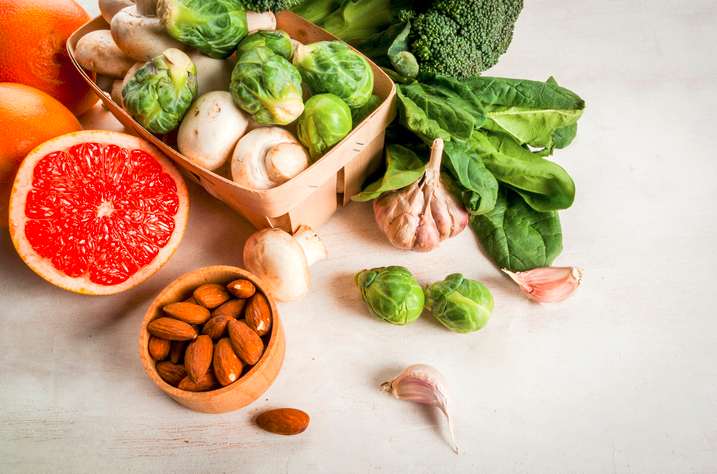
- In your pantry: Stock olive oil, canned sardines, chickpeas, walnuts, frozen spinach
- At your local market: Farmers’ markets > processed food aisles
- In community: Join our Vitality Circle for recipe swaps and support
- At your clinic: Ask your OB-GYN or nutritionist about personalized tweaks
Bold Tip: Batch-cook a big pot of vegetable & bean soup on Sundays—it lasts 4 days!
For extra support during hormonal transitions, our Hormone Harmony Bundle (featuring flax, magnesium, and adaptogens) pairs beautifully with this eating style.
Now—why does this ancient way of eating matter so much today?
Why the Mediterranean Diet Matters for Women
Beyond weight management, this diet is your longevity insurance. Studies show it lowers risk of breast cancer, Alzheimer’s, depression, and osteoporosis—conditions that disproportionately affect women.
Key benefits include:
- Reduces chronic inflammation (the root of most women’s health issues)
- Balances blood sugar and supports healthy estrogen metabolism
- Nourishes the gut microbiome—linked to mood and immunity
- Promotes sustainable energy without crashes
- Cultivates joy around food, not guilt
Bold Tip: Add 1 tablespoon of ground flaxseed daily—it’s a Mediterranean staple that supports hormone detox.
“Women on a Mediterranean diet had 30% lower risk of depression over 5 years.”
— Journal of Nutritional Neuroscience, 2023
The Mediterranean Diet is more than a trend — it’s a sustainable, delicious, and scientifically supported way to improve overall health. By emphasizing fresh produce, whole grains, lean proteins, and healthy fats, it supports heart health, weight management, and longevity.
Whether you’re new to healthy eating or looking to enhance your current diet, adopting Mediterranean principles can be simple, flexible, and enjoyable. Small changes — like using olive oil instead of butter, adding more vegetables, or including fish a few times a week — can make a big difference over time. Embrace this vibrant, flavorful approach to eating and experience the benefits for your body, mind, and lifestyle.