Worried about prediabetes, PCOS, or family history of type 2 diabetes? You’re not alone. 1 in 3 women will develop insulin resistance in their lifetime—often silently, with symptoms like fatigue, sugar cravings, or stubborn weight gain mistaken for “just stress.” But here’s the empowering truth: type 2 diabetes is largely preventable—especially when you understand your unique biology as a woman.
Using the trusted 5Ws framework, we’ll break down simple, science-backed steps to stabilize blood sugar, protect your hormones, and build metabolic resilience—without extreme diets or overwhelm.
Because your health isn’t just about avoiding disease—it’s about thriving.
Blood Sugar Balance = Hormone Balance
For women, blood sugar isn’t just a number—it’s a master regulator of everything from ovulation to mood to skin clarity. Chronically high insulin:
- Worsens PCOS and perimenopausal weight gain
- Fuels inflammation, linked to endometriosis and fibroids
- Drains energy and mental clarity
- Accelerates aging and cognitive decline
The good news? Small, consistent changes rewire your metabolism—starting today.
Ready to take back control? Let’s explore the 5Ws.
Who Is at Risk for Diabetes—and Who Can Prevent It?
While anyone can develop insulin resistance, women face unique risk factors:
- Those with PCOS (up to 70% have insulin resistance)
- Women over 40, especially entering perimenopause (estrogen decline reduces insulin sensitivity)
- Those with a family history of type 2 diabetes
- Women who had gestational diabetes (50% develop type 2 within 10 years)
- Anyone experiencing belly fat gain, afternoon crashes, or intense sugar cravings
Bold Tip: Ask your doctor for a fasting insulin test—not just glucose. Many women have high insulin before blood sugar rises.
“Insulin resistance is the silent driver of most women’s hormonal imbalances. Fix blood sugar, and you often fix the rest.”
— Dr. Rachel Lin, Functional Endocrinologist
Now that we know who’s at risk… What actually is the foundation of prevention?
What Are the Most Effective Ways to Fight Diabetes?
Here are the key lifestyle steps to support healthy blood sugar and reduce diabetes risk:
Adopt a Balanced, Plant-rich Diet
- Focus on fiber-rich foods: whole grains, vegetables, legumes, fruits — helps slow digestion and stabilize blood sugar.
- Choose healthy fats (nuts, seeds, olive oil, fatty fish) over saturated and processed fats.
- Limit refined carbs, sugary foods/beverages, and processed snacks — avoid sharp glucose spikes.
Stay Physically Active & Get Regular Exercise
- Aim for at least 150 minutes per week of moderate aerobic activity (walking, cycling, swimming), plus strength or resistance training 2+ times/week.
- Even lighter activities — like walking after meals or daily movement — help improve insulin sensitivity and blood-sugar control.
Maintain a Healthy Weight
- Losing even 5–7% of excess weight can significantly reduce diabetes risk and improve insulin response.
- Combine diet and exercise for gradual, sustainable weight management.
Watch What You Drink — Hydration Over Sugary Drinks
- Drink plenty of water, limit or avoid sugary drinks, sweetened juices, sodas.
- Hydration supports overall metabolism and helps prevent unnecessary glucose spikes.
Adopt Mindful Eating & Healthy Habits
- Practice portion control and balanced meals — e.g. half your plate non-starchy vegetables/fruits, a quarter whole grains, a quarter lean protein/fiber sources.
- Avoid fad diets — go for sustainable eating patterns that you can stick with long-term.
Now… When is the best time to act?
When to Focus on Blood Sugar Balance
Timing your habits amplifies results:
- After meals: Move within 15–30 minutes
- During your luteal phase (post-ovulation): Insulin sensitivity naturally dips—prioritize protein and rest
- Perimenopause: Start metabolic support before symptoms escalate
- Post-gestational diabetes: Begin prevention immediately postpartum
- Year-round: Make sleep and stress management non-negotiable
Avoid: Skipping meals or going long hours without eating—this worsens insulin spikes later.
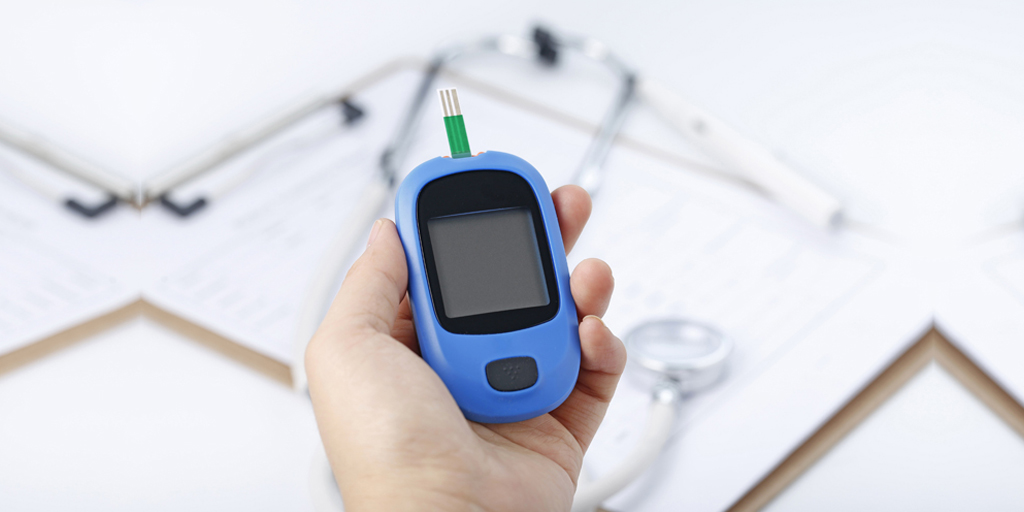
Bold Tip: Test your glucose (if possible) 1–2 hours after meals—under 140 mg/dL is ideal for women.

Where to Build Your Diabetes-Prevention Lifestyle
This isn’t about perfection—it’s about strategic swaps in real life:
- Your kitchen: Keep hard-boiled eggs, nuts, and hummus ready for balanced snacks
- Your workplace: Take “walking meetings” or post-lunch strolls
- Your bedtime routine: Aim for 7–8 hours—sleep is metabolic medicine
- Your healthcare visits: Request HbA1c, fasting insulin, and lipid panels annually after age 35
Bold Tip: Use a continuous glucose monitor (CGM) for 2 weeks—even non-diabetics learn powerful insights about their personal triggers.
Need extra support? Our Daily Metabolic Support Capsules combine clinically studied nutrients to complement your lifestyle changes.
But why does prevention matter so deeply?
Why Fighting Diabetes Is an Act of Self-Care for Women
Preventing insulin resistance isn’t just about avoiding a diagnosis—it’s about protecting your future self:
- Preserves fertility (insulin resistance is a top cause of anovulation)
- Reduces risk of heart disease (women with diabetes lose their natural cardiovascular protection)
- Lowers inflammation—key for preventing autoimmune and hormonal disorders
- Supports brain health (insulin resistance = higher Alzheimer’s risk, often called “type 3 diabetes”)
- Builds energy and confidence—so you can show up fully for your life
“Women who walked 30 minutes/day reduced their diabetes risk by 30%—more than any medication.”
— Diabetes Care Journal, 2023
Bold Tip: Start with one change—like a post-dinner walk—and build from there. Progress > perfection.
Conclusion
Fighting diabetes doesn’t require drastic changes or rigid diets — often, it’s the small, everyday choices that matter the most. By focusing on a balanced, plant-rich diet; staying active; maintaining a healthy weight; staying hydrated; and practicing mindful eating — you give your body a powerful toolkit to regulate blood sugar, improve insulin sensitivity, and support overall health. Whether you’re preventing diabetes, managing your risk, or simply aiming for a healthier lifestyle — these steps are practical, effective, and sustainable.
Start today — swap in a fiber-rich meal, take a walk, drink water instead of soda — and over time, these choices can add up to real, lasting change.